





In the competitive landscape of Indian education, appearing on the first page of Google is no longer just about “visibility”. It is about enrollment growth. Whether you are a K-12 school in Pune, a multi-campus university, or a specialized coaching institute, your digital presence is often the first “campus tour” a prospective student or parent takes.
1. Mapping SEO to the Student Journey
| Stage | Search Intent | Example Keywords | Content Type |
| Awareness | Informational | “Is a B.Tech in AI worth it in 2026?” | Blog Posts, Industry Reports |
| Consideration | Commercial | “Best engineering colleges with placements” | Comparison Guides, Case Studies |
| Preference | Evaluation | “[College Name] vs [Competitor] reviews” | Alumni Success Stories, Testimonials |
| Decision | Transactional | “Apply for scholarship 2026 intake” | Admission Portals, FAQ Pages |
2. Dominating Local SEO: The "Near Me" Advantage
For schools and colleges, Local SEO is the most critical driver of physical inquiries. In 2026, Google’s local algorithm prioritizes “Entity Trust.”
- Google Business Profile (GBP) Audit: Don’t just list your name. Add “Admission Office” hours, high-quality 360-degree campus photos, and respond to every review, positive or negative.
- Hyper-Local Content: Create pages like “Top 10 schools in [Locality Name], Pune” or “Hostels near [University Name].”
- Event-Driven SEO: Optimize for “Open House” or “Campus Tour” keywords during admission peaks (March–June).
3. Technical SEO & Educational Schema
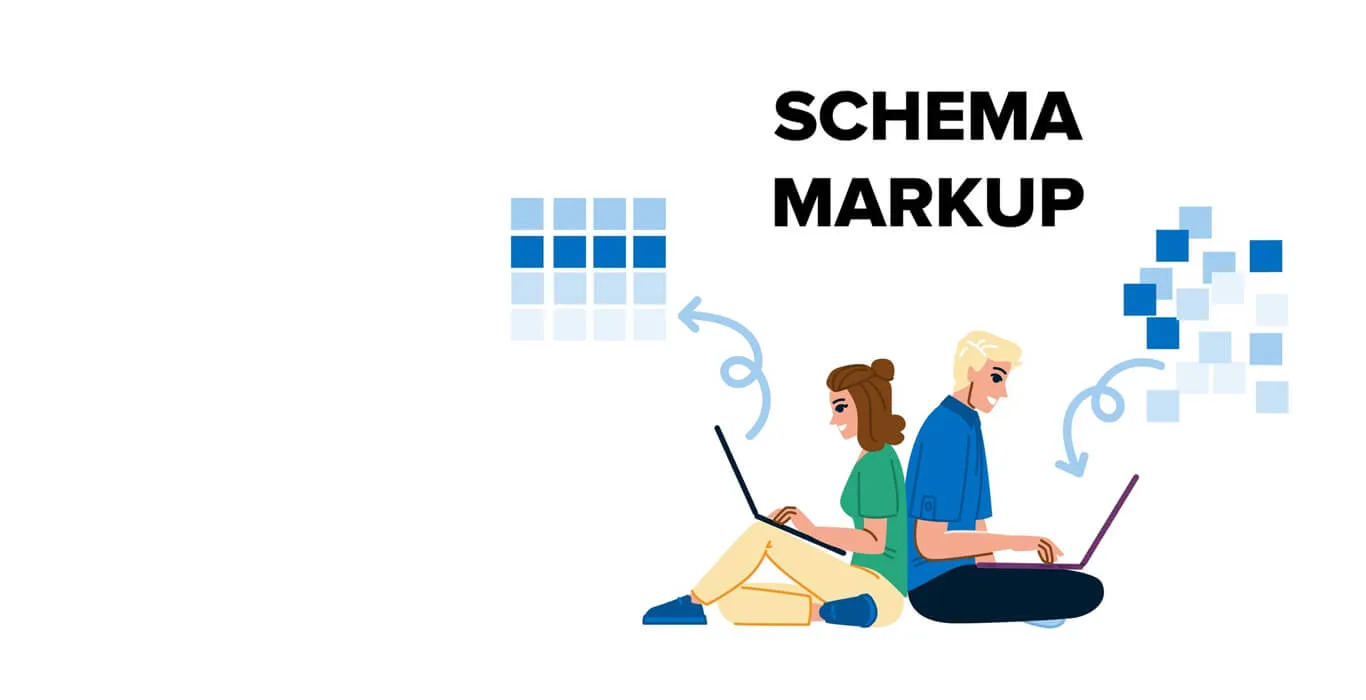
- EducationalOrganization Schema: Identifies your institution’s accreditation, location, and logo.
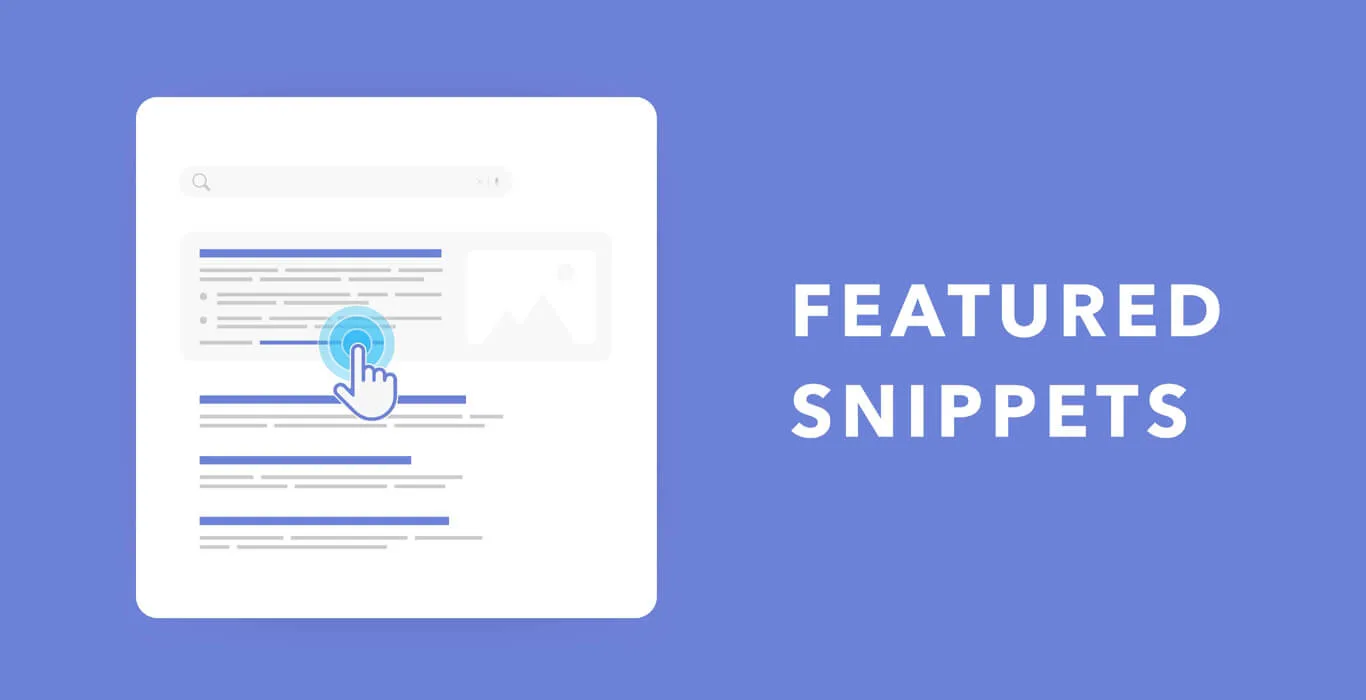
- Course Schema: Helps Google display specific program details like duration, eligibility, and fees directly in search results.
- FAQ Schema: Answers common parent queries (e.g., “What is the teacher-student ratio?”) right on the SERP.
4. Why SEO is Not Just for Big Universities
5. Content Strategy: E-E-A-T for Admissions
- Faculty Showcases: Don’t just list names. Create faculty bios that highlight research, publications, and industry experience.
- Alumni Outcomes: Content like “Where are our 2023 graduates now?” provides the ultimate trust signal for parents.
- Video SEO: Gen Z and Gen Alpha prefer video. Embed YouTube “Day in the Life” videos on your course pages to increase “Dwell Time.”
6. Measuring ROI: Beyond Rankings
- Inquiry Form Completions: Are users actually asking for brochures?
- Campus Visit Registrations: Are digital users turning into physical visitors?
- Assisted Conversions: How many students saw a blog post before applying?
7. Getting Correct Backlinks
By acquiring the right backlinks, your institution doesn’t just climb traditional search rankings; it also becomes a preferred source for AI search engines (like ChatGPT Search, Perplexity, and Google Gemini).
1. The Power of "Academic Citations" (PageRank)
- The .edu Advantage: Backlinks from .edu and .gov domains are considered “SEO gold.” Because these domains have high barriers to entry, a link from them acts as a massive vote of confidence that can skyrocket your site’s Domain Authority (DA).
- AI Visibility: AI models favor “source-cited” content. When high-authority academic journals, news outlets, or government sites link to your program pages, AI search tools are more likely to summarize your institution’s data as a factual answer for users.
2. Strategy: Beyond Just "Getting Links"
| Strategy | How it Works | Benefit |
| Linkable Assets | Creating unique research, infographics, or “How-to” guides for students. | Attracts natural, high-authority editorial links. |
| Alumni Success | Featuring alumni on high-authority industry sites that link back to their alma mater. | Proves real-world outcome and authority. |
| Scholarship Outreach | Listing your scholarships on external resource pages. | Generates highly relevant .edu backlinks from other institutions. |
| Faculty Interviews | Encouraging professors to contribute to news outlets. | Positions the school as a “Thought Leader” in AI search results. |
3. Why Backlinks Matter for AI Searches
Traditional SEO was about keywords; AI search is about Trust (E-E-A-T).
- Semantic Relationships: AI looks at the “neighborhood” of your links. If you are linked by other top-tier engineering schools, AI understands you are a peer in that specific niche.
- Citation in AI Overviews: Pages with strong, relevant backlink profiles are 3.8x more likely to be featured in the #1 position or cited in AI summaries.
By building a robust backlink profile, your institution ensures it isn’t just a result on a page—it becomes the authoritative answer that search engines and AI tools provide to prospective students and parents.
Case Study: Driving Enrollment Growth for MITBIO
The Challenge
The Strategy
- Technical SEO Overhaul: Addressed critical technical issues and updated the robots.txt and sitemap to improve site crawlability and indexing.
- Intent-Driven Keyword Research: Conducted deep research to target high-search-volume, intent-driven keywords designed for maximum visibility.
- On-Page & Content Optimization: Updated content factors to align with search engine best practices and enhance click-through rates (CTR). We targeted high intent MOFU blog queries that can get the candidates interested quickly.
- UX Streamlining: Refined the website structure and content flow to improve the overall user experience and boost search rankings.
The Results
- Organic New Users: Increased by 60%
- Organic Impressions: Increased by 97%
- Student Enquiries Increased by ~100%
Conclusion: Partnering for Enrollment Success
Ready to grow your enrollment for the next academic cycle? Let’s build your 2026 growth engine together.
FAQs
1. Why is SEO important for schools and universities?
- Increase Visibility: Appear at the top of search results when prospective students search for specific courses or “colleges near me”.
- Build Trust: High organic rankings act as a “seal of approval,” making your institution appear more credible than those relying solely on paid ads.
- Drive Enrollment: A case study of MITBIO showed that a focused SEO strategy led to an 800% increase in organic traffic, directly boosting inquiries and admissions.
2. How does SEO compare to Paid Ads (PPC) for student recruitment?
- Cost-Efficiency: Unlike ads, where traffic stops the moment you stop paying, SEO continues to drive organic visitors without a per-click cost.
- Lead Quality: Organic traffic often consists of “high-intent” users who are actively researching, leading to higher engagement and enrollment potential compared to broader ad audiences.
3. What are the most effective keywords for educational websites?
- Branded vs. Non-Branded: Focus on “non-branded” keywords (e.g., “best biotech engineering courses”) to reach students who haven’t heard of your brand yet.
- Long-Tail Keywords: Use specific phrases like “scholarships for international students in cyber security”. These have lower competition and much higher conversion rates.
- Program-Specific: Create dedicated pages for every course or degree offered to rank for niche searches.
4. How can "Local SEO" help my campus?
- Google Business Profile: Claim and optimize your profile to appear in the “Local Map Pack” for “schools near me” searches.
- NAP Consistency: Ensure your Name, Address, and Phone number are consistent across all online directories.
- Reviews: Encourage current families and students to leave positive Google reviews to boost your local ranking.
5. What technical factors impact a school's search ranking?
- Page Speed: Aim for a load time under 3 seconds; slow sites lead to high bounce rates, which hurt rankings.
- Mobile-Friendliness: Most students conduct their initial research on smartphones, making responsive design non-negotiable.
- Security (HTTPS): Since educational sites often handle personal student data, SSL certificates are a must for both user trust and SEO.